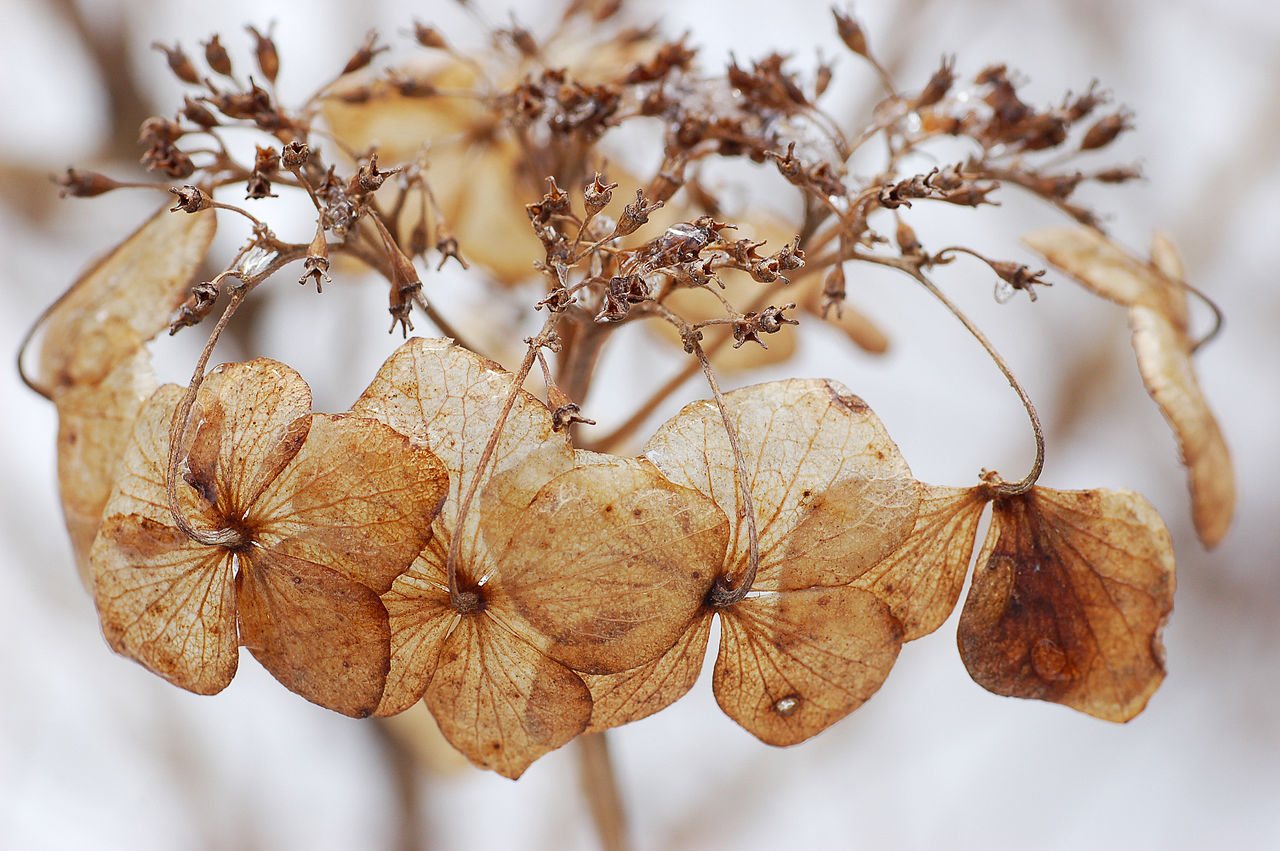
Hydrangea
Hydrangea macrophylla
Family: Hydrangeaceae · Also called Hortensia, Ajisai, Bigleaf Hydrangea, Hydrangea macrophylla f. otaksa, Hydrangea sieboldii, Hydrangea japonica f. hortensia
Green & Fresh · Summer bloomer
The hydrangea is a flower of abundance, each globe-shaped cluster contains hundreds of individual florets, creating the voluminous, cloud-like heads that make it one of the most popular garden shrubs in the world. Its remarkable ability to change color based on soil pH makes it the botanical equivalent of a mood ring.
gratitude, understanding, heartfelt emotion
In the Victorian language of flowers, hydrangea means “Heartfelt gratitude and understanding”. In Japan, hydrangeas (ajisai) are celebrated during the June rainy season, temples plant thousands along their paths for tsuyu (rainy season) festivals. The flower's ability to change color symbolizes the fickleness of the human heart in Japanese hanakotoba (flower language).
Did You Know?
Hydrangea color is determined by soil chemistry: acidic soil (pH below 6) produces blue flowers, alkaline soil produces pink. You can change the color by adding aluminum sulfate (for blue) or lime (for pink). White hydrangeas cannot change color regardless of pH.
Woodlands and stream banks of Japan, China, and Korea
Hydrangea is native to East Asia. It naturally grows in woodlands and stream banks of japan, china, and korea.
Scent Profile
“A barely-there green freshness with watery notes, hydrangeas are all about visual spectacle rather than scent.”
Quick Reference
- Scientific NameHydrangea macrophylla
- FamilyHydrangeaceae
- Native ToEast Asia
- Bloom SeasonSummer
- LifespanPerennial
Cultural Significance
In Japan, hydrangeas (ajisai) are celebrated during the June rainy season, temples plant thousands along their paths for tsuyu (rainy season) festivals. The flower's ability to change color symbolizes the fickleness of the human heart in Japanese hanakotoba (flower language).